
Employment Application Apply
The 2026 market for Electrofusion Reducing Tee manufacturers is shaped by infrastructure renewal, water security, and stricter installation expectations. Grand View Research reports continued growth in the global plastic pipes market, supported by municipal water, gas, and industrial projects. However, most published reports group electrofusion fittings within broader pipe or joining categories. Reducing tee data remains fragmented. That limitation deserves attention.
The Plastics Pipe Institute and international standards, including ISO 21307 and ISO 12176-2, emphasize controlled fusion procedures, qualified operators, and traceable equipment. David Willoughby, author of PE Pipe: Design and Installation, offers a practical warning: “A polyethylene system is only as reliable as its design and installation.” The point is simple.
In the field, reliability appears in small details. A clean socket. Correct pipe alignment. Stable heating cycles. A visible fusion record. Leading manufacturers now compete through resin consistency, barcode traceability, automatic fusion control, and pressure-tested designs. Their differences may look minor on a catalog page. They are not minor inside a trench.
This guide evaluates the 2026 top Electrofusion Reducing Tee manufacturers through material quality, dimensional accuracy, certification, production capacity, technical support, and documented project experience. It also considers a less comfortable question: are all “top” rankings measuring engineering performance, or merely export volume and search visibility?
Buyers should verify current certifications, test reports, warranty terms, and local compliance before procurement. Market leadership is not permanent. Installation evidence matters more than promotional language.
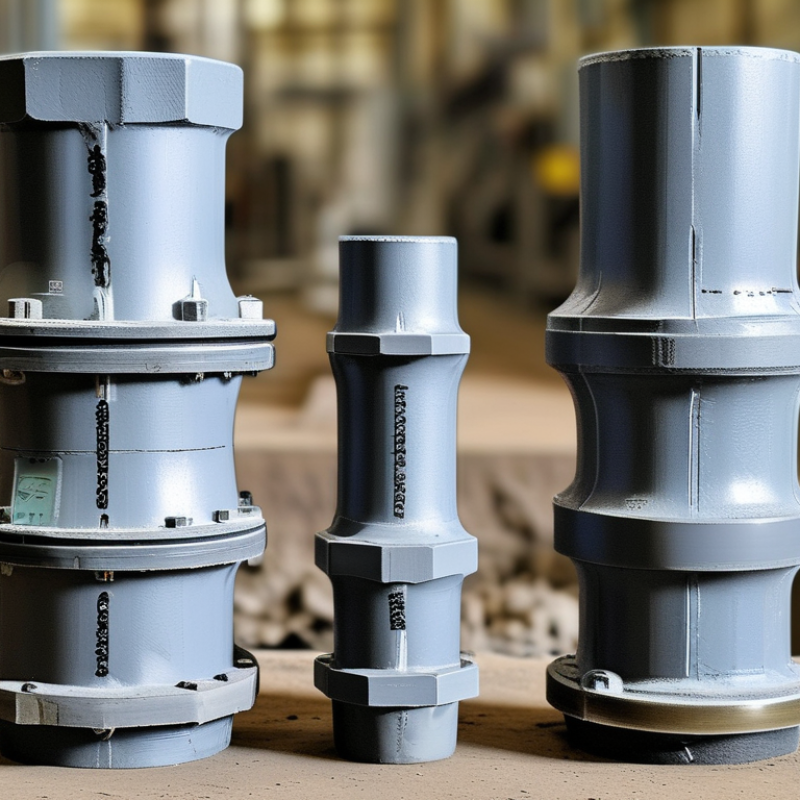
An electrofusion reducing tee is a polyethylene fitting with three connection points and different outlet sizes. It creates a branch from a larger pipe into a smaller one. The fitting contains embedded electrical heating wires. When controlled current passes through them, the fitting and pipe surfaces soften and fuse together.
In field installation, technicians scrape the pipe surface, remove oxidation, and keep the joint dry. They then align the pipes carefully before applying the specified voltage and heating time. After fusion, the assembly must remain still during cooling. A clean-looking joint can still be weak. Poor scraping, movement, or incorrect settings may reduce reliability.
That assumption can fail.
Tips: Check pipe dimensions, fitting markings, fusion voltage, and cooling instructions before work begins. Use calibrated equipment and record each joint when project quality matters. Avoid touching prepared surfaces, even with clean gloves. Keep dirt and moisture away. Experienced installers know that alignment deserves patience, especially in narrow trenches. Manufacturers’ technical data and applicable local standards should guide every installation. Inspectors may also review bead formation, fusion records, and visible damage. Electrofusion is not complicated, but it is unforgiving when preparation is rushed.
2026 Top Electrofusion Reducing Tee Manufacturers
How Electrofusion Reducing Tees Are Manufactured
Electrofusion reducing tees begin with certified polyethylene resin, usually PE100 or PE4710. The resin is dried, blended, and melted inside an injection-molding machine. Controlled pressure fills a precision mold, forming the tee body, branch outlet, and socket dimensions. Cooling must be even. Uneven shrinkage can create oval sockets or hidden stress.
After molding, technicians trim flash and inspect each fitting. They measure socket depth, wall thickness, and outlet alignment. Electrofusion wires are then positioned inside the socket during molding or inserted through a controlled assembly process. According to the Plastics Pipe Institute’s Handbook of Polyethylene Pipe, reliable fusion depends on clean surfaces, correct heating, and qualified procedures. ISO 8085-3 also emphasizes dimensional control and performance testing for polyethylene fittings. Market data from Grand View Research reported steady global growth in polyethylene pipe demand through 2024, increasing pressure for consistent fitting production.
A useful tip: store fittings in sealed bags. Dust can weaken the fusion interface. Record batch numbers, melt temperature, cooling time, and electrical resistance. A small logging error can become a field failure. Pressure testing should follow the project standard, not personal habit. I have seen visually perfect sockets fail after poor scraping. That detail deserves more respect. Better production is not only faster molding; it is repeatable control from resin delivery to final inspection.
The chart presents representative production-time ranges for the main manufacturing and quality-control stages of PE electrofusion reducing tees. Actual times vary according to fitting size, wall thickness, mold design, resin grade, and applicable standards.
Typical reference ranges are shown in minutes per fitting or production cycle. The process generally includes mold preparation, injection molding, trimming, electrofusion-wire assembly, marking, dimensional inspection, and pressure testing.
2026’s Top Electrofusion Reducing Tee Manufacturers are being judged by more than production volume. Buyers now examine joint reliability, material consistency, traceability, and field support. Grand View Research estimates the global plastic pipes market will continue expanding through 2030, supported by water infrastructure and gas distribution upgrades. That growth increases demand for precise reducing tees, especially where limited trench space requires controlled flow transitions.
Independent testing remains essential. ISO 4427 covers polyethylene piping systems for water supply, while ISO 4437 addresses polyethylene systems for gas supply. Leading manufacturers should demonstrate compliance through documented batch testing, dimensional checks, and electrofusion performance records. The Plastic Pipe Institute also emphasizes proper fusion procedures, surface preparation, and cooling control. Small errors matter. A scratched fitting can weaken an otherwise careful installation.
Top manufacturers typically combine automated molding, stable resin sourcing, barcode traceability, and practical installer training. Their reducing tees should maintain accurate socket dimensions under pressure and temperature changes. Product data should state pressure ratings, compatible pipe grades, fusion voltage ranges, and storage requirements. I would still treat any 2026 ranking as provisional. Public reports rarely isolate reducing tees from the wider polyethylene fittings market. Factory audits and project references remain more convincing than polished brochures. A reliable supplier explains limitations clearly, including unsuitable temperatures, handling risks, and inspection intervals.
Comparing 2026 electrofusion reducing tee manufacturers requires more than catalog dimensions. Check compliance with ISO 4427-3, ASTM F1055, and ISO 12176-2. These standards address polyethylene fittings, electrical fusion, and control equipment. A competent manufacturer should provide batch records, dimensional reports, and fusion parameters. Traceability matters when a tee is installed inside a crowded valve chamber.
Material evidence deserves closer attention. The Plastics Pipe Institute’s TR-4 technical report lists a 1,600 psi hydrostatic design basis for PE4710 at 73°F under ASTM D2837 conditions. This value applies to qualified pipe compounds, not automatically to every reducing tee. Ask for fitting-specific pressure testing and long-term hydrostatic evidence based on ISO 9080 methods. Some suppliers show impressive short-term burst results. Those results can still hide weak thermal aging performance.
Inspect the saddle, outlet, and heating wire visually. Uneven wire spacing may create local overheating. A qualified factory should control melt flow rate, ovality, socket depth, and resistance values. ISO 12176-2 compatible fusion records can support field verification. I would also request independent test certificates, not only internal declarations. That costs time. It may prevent a costly assumption. A practical comparison should include failed-fusion rates, retest policies, storage conditions, and operator guidance. Manufacturers sometimes provide incomplete data, and that gap deserves written clarification.
Electrofusion reducing tees connect pipes of different diameters while maintaining a controlled, leak-resistant branch. They are common in potable water, wastewater, irrigation, and industrial fluid systems. On a busy construction site, a 160 mm main may need a 90 mm branch for a service line. The reducing tee makes that transition without adding a separate reducer and tee.
Application conditions should guide the purchase. Confirm the pipe outside diameters, SDR classification, pressure rating, and polyethylene resin compatibility. A fitting designed for one dimensional standard may not fit another, even when the nominal sizes look similar. Fit matters. Review the operating temperature, fluid type, burial depth, and expected pressure changes. For critical networks, traceable batch records and documented quality testing provide useful evidence of manufacturing consistency.
Reliable manufacturers should provide clear fusion parameters, dimensional data, installation instructions, and material certificates. Check whether the fitting supports the electrofusion control unit used by your crew. Terminals must be clean, and the pipe surface requires proper scraping before fusion. Poor alignment can create stress at the joint. Barcode identification also helps reduce setup errors and improves project records. In practice, buyers sometimes focus too heavily on price. That can be a mistake. Storage conditions, field training, and technical support may influence the final joint more than the purchase cost. A minor oversight during preparation can weaken an otherwise well-made fitting.
| Evaluation Dimension | Relevant Technical Data | Typical Application | What Buyers Should Verify |
|---|---|---|---|
| Fitting Material | Polyethylene grades commonly include PE100 under ISO systems and PE4710 under North American systems. The fitting and pipe should be approved for the same fusion system. | Potable water, natural gas, wastewater, mining slurry, and industrial process lines. | Confirm resin designation, minimum required strength, chemical-resistance data, UV-stabilization requirements, and compatibility with the pipe material. |
| Applicable Product Standards | Common reference standards include ASTM F1055 for polyethylene electrofusion fittings and ISO 4427 for polyethylene piping systems used for water supply and related applications. | Municipal water networks, service connections, and pressure piping projects. | Check the exact edition, certification scope, dimensional requirements, and whether the standard covers reducing tees rather than only general fittings. |
| Branch and Run Sizes | A reducing tee has one smaller branch or run connection. Available size combinations, wall thicknesses, and outlet configurations vary by manufacturer and tooling range. | Main-line takeoffs, service branches, irrigation networks, and process distribution systems. | Confirm outside diameter, SDR or pressure class, end-to-end dimensions, insertion depth, and minimum bending or alignment requirements. |
| Pressure Rating | Pressure capacity is governed by material grade, SDR, operating temperature, design coefficient, medium, and applicable code. It cannot be assigned from fitting size alone. | Pressurized water, gas distribution, compressed-air systems, and industrial utilities. | Require a pressure-rating table for the exact fitting, pipe SDR, temperature range, and service medium. Verify whether ratings are working pressure or short-term test pressure. |
| Electrofusion Compatibility | The fitting must match the pipe's polyethylene type, outside diameter, SDR range, and approved electrofusion control procedure. | Permanent joints where controlled alignment and leak resistance are required. | Confirm fusion voltage, resistance range, fusion time, cooling time, barcode or manual input method, and compatibility with the available control unit. |
| Electrical Heating Design | Heating wires are embedded in the fitting and must remain correctly positioned during scraping, insertion, clamping, and fusion. | Confined installations, repair assemblies, and branch connections where butt fusion is impractical. | Check heating-zone protection, terminal quality, resistance consistency, fusion indicators, and protection against wire exposure or displacement. |
| Temperature Capability | Polyethylene pressure ratings normally require derating at elevated temperatures. The allowable service temperature depends on resin, pressure, and application requirements. | Cold-water distribution, industrial water, low-temperature chemicals, and selected slurry systems. | Request temperature-pressure derating data and chemical compatibility information; do not use a water rating automatically for hot fluids. |
| Application Medium | PE is widely used for water and many chemicals, but compatibility varies with concentration, temperature, pressure, and exposure duration. | Drinking water, non-potable water, gas, landfill gas, wastewater, and mining applications. | Obtain written compatibility confirmation for hydrocarbons, oxidizing chemicals, solvents, abrasive slurries, or gases outside the intended service scope. |
| Dimensional Accuracy | Consistent socket diameter, insertion depth, ovality control, and wall geometry are essential for uniform fusion-zone pressure and heat transfer. | High-volume utility construction and projects requiring repeatable joint quality. | Review dimensional inspection records, tolerances, sample measurements, and the manufacturer's quality-control procedure. |
| Installation Requirements | Typical preparation includes pipe cutting, scraping to remove oxidation, cleaning, accurate insertion, clamping, fusion, and full cooling before movement or pressure testing. | Trenched utilities, service saddles, above-ground process piping, and emergency repairs. | Confirm required tools, weather limitations, generator capacity, operator qualification, clamp space, and site-specific fusion procedures. |
| Quality Assurance and Testing | Relevant controls may include raw-material verification, dimensional inspection, visual examination, hydrostatic testing, and destructive or non-destructive qualification testing as required by the project. | Critical water, gas, industrial, and infrastructure projects. | Request certificates of conformity, batch records, test reports, quality-system certification, and a documented nonconformance process. |
| Traceability | Molded or printed identification can include size, material, SDR, production batch, date code, and fusion parameters. | Regulated utilities and projects requiring long-term asset records. | Ensure markings remain legible after installation and that batch records can be linked to purchase orders and site joint logs. |
| Potable Water Approval | Materials intended for drinking-water contact may require approval from the authority or certification program specified by the project location. | Municipal water mains, service lines, treatment plants, and storage facilities. | Verify the exact fitting material and size range are covered by the current drinking-water approval, not only the raw resin. |
| Gas-Service Suitability | Gas applications require specific material, design, qualification, and regulatory controls; water-service approval alone is not sufficient. | Natural-gas distribution and selected compatible gas systems. | Confirm compliance with the applicable gas-piping standard, utility specification, pressure limits, and approved joining procedure. |
| Supply and Commercial Factors | Total cost includes fitting price, tooling, certified installation labor, testing, shipping, inventory, and potential project delays. | Standard maintenance stock, large infrastructure tenders, and mixed-size projects. | Compare minimum order quantities, production lead time, replacement policy, technical support, documentation, packaging, and long-term availability. |
Note: Pressure ratings, approvals, dimensions, fusion parameters, and service limitations must always be confirmed from the current technical documentation for the exact electrofusion reducing tee, pipe SDR, application medium, and governing project code.