
Employment Application Apply
Choosing aluminum for precision parts is not a grade-number exercise. The right alloy depends on the part’s geometry, tolerances, operating environment, and finishing requirements. A small sensor housing may need stable machining and a clean anodized surface. A structural bracket may instead need greater strength and fatigue resistance. These differences matter.
Aluminum Precision Parts are commonly made from alloys such as 6061, 7075, and 5052. Each offers a different balance of machinability, strength, corrosion resistance, and formability. For many machined components, 6061 is a practical starting point because it is widely available and relatively easy to work with. For higher strength, 7075 may be considered, though it can cost more and may offer less corrosion resistance without suitable protection. Sheet-metal designs often favor 5052 for its formability and resistance to marine environments. No alloy wins every time.
The best choice also depends on manufacturing details. Thin walls, deep pockets, tight tolerances, and heat treatment can affect cost and dimensional stability. A drawing that looks straightforward may behave differently after machining or finishing. That is worth checking early. Engineers should review material certificates, supplier capabilities, and the part’s actual service conditions before locking in a grade. Even then, trade-offs remain: choosing the strongest alloy can add expense without improving performance. This guide compares common aluminum grades and explains how to match their properties to precision-part requirements.
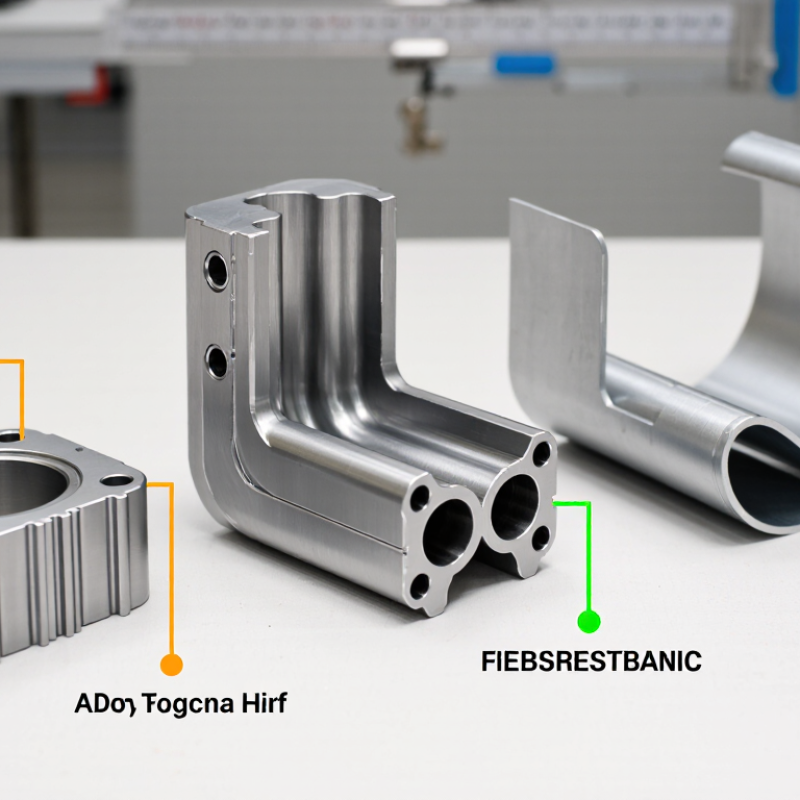
What Type of Aluminum Is Best for Precision Parts?
How Aluminum Alloy Composition Affects Precision Part Performance
Choosing aluminum for a precision part means balancing strength, machinability, corrosion resistance, and dimensional stability. Alloy composition shapes that balance. For example, 6061 contains magnesium and silicon, making it versatile and relatively easy to machine. It suits brackets, housings, and components exposed to ordinary shop conditions. 7075, with zinc as a major alloying element, offers higher strength but can be less forgiving in corrosive environments. Stronger is not always better.
Temper matters, too. Heat treatment changes an alloy’s mechanical properties, while residual stress can contribute to movement during machining. A thin-walled 6061 plate may shift after material is removed, even when the drawing looks straightforward. In practice, stock condition, toolpath, part geometry, and finishing all affect the final result. Alloy data sheets help, but they cannot predict every shop-floor outcome. That uncertainty deserves attention.
Tips: Match the alloy to the part’s actual loads and environment. Ask the supplier to confirm the temper and material certification. For tight tolerances, discuss stress relief and machining sequence before production. Then inspect a first article. Small details matter. If corrosion resistance is critical, evaluate the planned finish alongside the base alloy; a familiar grade may not be the right choice for every application.
Selecting aluminum for precision parts starts with the loads, tolerances, and environment the component must handle. Alloy strength matters, but it is only one part of the decision. A 6061 alloy is often practical for general machined components because it offers a useful balance of strength, corrosion resistance, and machinability. For higher loads, 7075 may be appropriate, though its lower corrosion resistance can require extra consideration. There is no perfect choice.
Dimensional stability deserves close attention. Cutting removes material and releases internal stresses, which can cause a thin plate or long housing to shift after machining. Ask whether the stock is stress-relieved, and check how the supplier controls material condition. Thermal expansion matters, too. A component measured in a cool inspection room may behave differently beside a warm motor or fluid line.
Machinability affects both surface finish and production consistency. Some alloys form chips cleanly; others may create burrs or demand slower cutting. That can change tool wear and the final cost per part. Corrosion resistance, conductivity, and finishing needs also shape the choice. Anodizing can protect surfaces, but it may alter dimensions slightly. Small changes count when a bore has a tight fit. I would verify the alloy’s temper, inspect a sample part, and compare its measured dimensions after finishing—not rely on a datasheet alone.
Typical tensile strength by alloy and temper
7075-T6 offers the highest strength among these examples, while 6061-T6 is a versatile, widely used choice for machined parts. Selection should also account for corrosion resistance, machinability, weldability, availability, and the part’s service conditions. Values are approximate typical figures; actual properties vary with product form and specification.
The right aluminum grade depends on the part’s loads, tolerances, and working environment. In precision machining, 6061 is a common starting point. It offers a useful balance of strength, machinability, availability, and corrosion resistance. Shops can mill housings, brackets, and fixtures from it without unusual tooling. Its chips generally clear cleanly, though cutting conditions still affect surface finish and tool life.
When strength matters more, 7075 is often considered for aerospace-style fittings, lightweight supports, and high-load components. It machines well, but its corrosion resistance is lower than 6061’s, so coating or other protection may be needed. 2024 also offers high strength and good fatigue performance, yet it can require extra attention to corrosion protection. These grades are not automatic upgrades. Small details matter.
For formed parts or marine surroundings, 5052 can be a sensible choice because it resists corrosion and bends readily. It is less suited to intricate machining than 6061, and its softer feel can complicate tight-tolerance work. That trade-off is easy to overlook. In practice, the best choice is confirmed against the drawing, material condition, and expected service. I would not select a grade by strength alone; distortion after machining can still spoil a precise part.
Choosing aluminum for a precision part starts with its job, not its price or strength rating. For housings, brackets, and fixtures, 6061-T6 is a common choice because it machines reliably and offers useful strength and corrosion resistance. It also accepts many surface treatments. Check the drawing’s tolerances, though: heat treatment and material removal can release stress and cause thin sections to move.
For highly loaded components where weight matters, 7075-T6 provides greater strength than 6061-T6. It is less forgiving in corrosive environments, so coating and service conditions deserve attention. A small fastener seat near a wet joint may need more protection than the main body. For formed or welded parts, 5052 is often more suitable than 7075, since it handles forming well and resists corrosion. Welding can still change the properties around the joint.
Match the grade to the most demanding requirement, then check the trade-offs: machinability, stiffness, corrosion exposure, joining method, and finishing. A thin optical mount, for example, may need stable geometry more than maximum tensile strength. Ask the supplier to confirm the exact alloy and temper, and review material certificates when traceability matters. One detail is easy to miss: the best grade on paper may not hold the required flatness after machining. A prototype can reveal that early.
Choosing aluminum for a precision part starts with the machine shop, not a grade chart. The alloy must suit the cutting method, tool reach, and required tolerances. A thin bracket may distort when clamped, even if its dimensions look simple. That matters. Machinists often adjust feeds and support points to limit chatter and heat. The right choice depends on the whole setup.
Strength is only one factor. Some alloys cut cleanly but may not offer the corrosion resistance or surface finish a part needs. Others can be harder to machine consistently, especially when long chips wrap around a tool. For a close-fitting housing, dimensional stability after machining may matter more than maximum strength. Ask how the part will be used, finished, and inspected. Small details count.
Production volume changes the decision, too. A material that works well for a one-off prototype may create extra tool wear or cycle time in a larger run. Check stock availability, material condition, and how the supplier documents the grade. These details can affect lead time and repeatability. Not every choice is obvious. I would avoid treating a familiar alloy as the automatic answer; actual test cuts can reveal distortion or finish problems that a data sheet will not.
| Alloy and temper | Typical minimum yield strength | Machinability | Corrosion resistance | Weldability | Precision-part considerations | Often selected for |
|---|---|---|---|---|---|---|
| 6061-T6 | About 276 MPa (40 ksi) | Good; widely used for general CNC machining | Good for many atmospheric and industrial environments | Good; welding can reduce strength in the heat-affected zone | Versatile, readily available, and suitable for many machined shapes. Allow for stress relief and distortion control where tight tolerances are required. | Fixtures, housings, brackets, frames, and general-purpose components |
| 7075-T6 | About 503 MPa (73 ksi) | Good; strong choice when high strength is needed | Lower than 6061; protective coatings may be appropriate in demanding environments | Generally not recommended for fusion welding | High strength-to-weight ratio, but material cost and corrosion requirements should be considered. Machining can release residual stress and cause movement. | High-load lightweight components, precision brackets, and aerospace-style parts |
| 2024-T3 | About 345 MPa (50 ksi) | Good; commonly machined for strength-critical parts | Relatively low; cladding or other protection is often used | Generally not recommended for fusion welding | Offers high strength and good fatigue performance, but corrosion protection and the specified product form matter. | Structural components and parts subject to cyclic loading |
| 5052-H32 | About 193 MPa (28 ksi) | Fair; can be less free-cutting than common machining alloys | Very good, particularly in marine and moist environments | Good | Useful when corrosion resistance and formability matter more than maximum strength. Thin sections may need careful fixturing during machining. | Panels, enclosures, marine fittings, and formed sheet components |
| 6082-T6 | About 250 MPa (36 ksi) | Good | Good for many general environments | Good; strength near a weld may be reduced | A medium-strength structural alloy used widely in some markets. Confirm local availability, section size, and applicable material specification. | Structural machined parts, supports, and components made from plate or extrusion |
Selection note: Strength figures are representative minimum yield values for the listed alloy and temper, not guaranteed values for every product form or thickness. Verify the applicable material specification and supplier certificate. For tight-tolerance parts, also consider stock form, section size, residual stress, heat treatment, machining sequence, corrosion exposure, and finishing requirements.