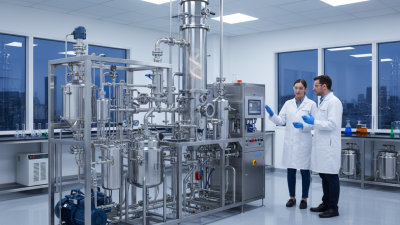
How to Choose the Best Thin Film Evaporator from China?
Choosing the right thin film evaporator from China requires more than comparing prices and product photographs. The equipment must match your feed properties, production capacity, vacuum conditions, and cleaning requirements. A supplier may advertise high evaporation rates, yet performance can change with viscosity, solids content, foaming behavior, and thermal sensitivity. Real process data matters.
A careful buyer should examine the evaporator’s wiped-film design, heating area, rotor speed, residence time, and sealing system. Stainless steel grade is important, especially when the product is corrosive or intended for regulated processing. Ask for material certificates, dimensional drawings, heat-transfer calculations, and factory test records. Request a pilot trial when possible. Watching a sample move across the heated wall can reveal more than a polished brochure.
Supplier experience also deserves close attention. Review completed projects, installation records, maintenance support, and customer references in similar industries. Reliable Chinese manufacturers should explain limitations clearly, not promise perfect results for every feed. Communication quality is a practical test. Slow replies, vague specifications, or inconsistent drawings may create costly problems later.
No checklist is perfect.
Buyers should also consider spare parts, operator training, export packaging, and response times after delivery. A lower initial quotation may hide expensive modifications or difficult commissioning. Therefore, the best choice is not always the cheapest machine. It is the evaporator supported by verifiable engineering, transparent documentation, and realistic performance expectations. Careful comparison can turn China sourcing into a controlled technical decision, rather than a risky purchase based on appearance alone.
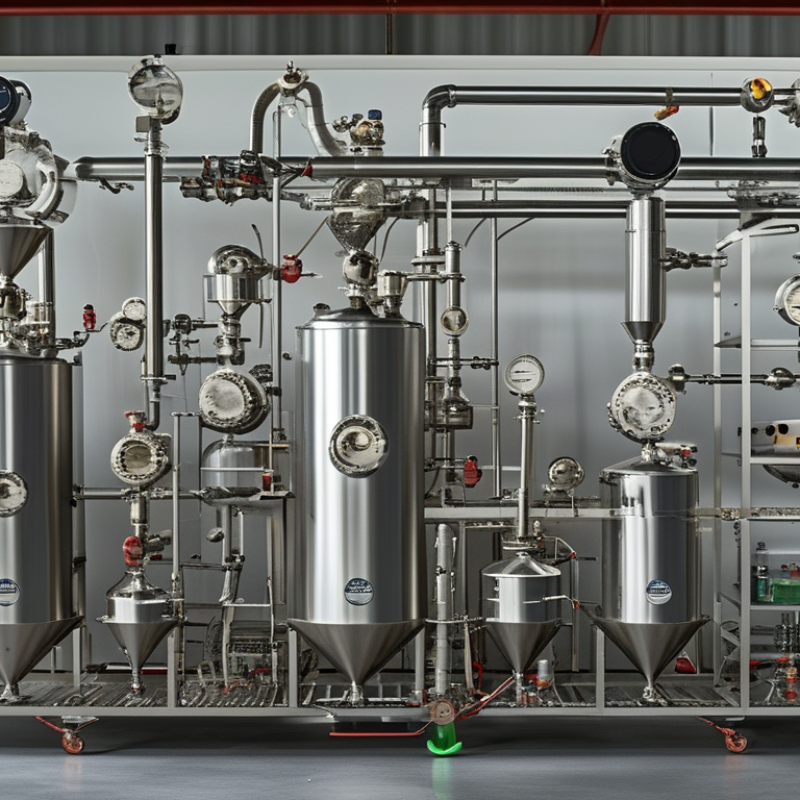
Define Feed Data: 1–10,000 mPa·s Viscosity and 5–80% Solids
Choosing a thin film evaporator from China should begin with measured feed data, not catalog capacity. Record viscosity across operating temperatures, from 1 to 10,000 mPa·s. Note solids content between 5% and 80%, particle size, heat sensitivity, and fouling tendency. A liquid at 100 mPa·s may become much thicker during concentration. This affects rotor load, film distribution, and discharge stability. Request calculations based on your feed, not water-based assumptions. Ask for material certificates, surface-finish details, and factory testing records.
Tips: Send a representative sample when possible. Measure viscosity at 40°C, 70°C, and 100°C. Include the target evaporation rate and final solids. Explain whether the product forms crystals, foam, or sticky deposits. Small details matter. A clear sample report helps engineers select heating area, rotor clearance, vacuum level, and drive power. If a supplier gives one capacity figure without feed conditions, request a revised proposal. That omission can hide serious design risks.
During evaluation, compare trial data, inspection access, sealing design, and cleaning requirements. High-viscosity feeds may need a wider discharge path. This can reduce unstable residence time. At 70–80% solids, review torque margin carefully. Ask how performance is verified after continuous operation. Short tests may not reveal fouling or motor overload. Practical evaluations often show unexpected behavior when feed temperature fluctuates. Laboratory results may not match production perfectly. A pilot test remains valuable before full-scale equipment is approved.
Match Evaporator Type to Residence Times Below 60 Seconds
How to Choose the Best Thin Film Evaporator from China?
Match Evaporator Type to Residence Times Below 60 Seconds
When residence time must stay below 60 seconds, start with product behavior, not equipment price. A wiped film evaporator suits viscous, heat-sensitive liquids because its rotor spreads feed into a thin layer. Fresh feed may leave the heated surface within seconds. Falling film equipment can also achieve short residence times, especially with low-viscosity liquids and stable distribution. However, poor wetting can create dry patches and uneven evaporation.
Ask the Chinese manufacturer for measured residence-time data under your actual feed rate, viscosity, vacuum level, and temperature. Do not rely on catalogue values alone. Request drawings showing heating area, rotor clearance, feed distributor, condenser capacity, and liquid hold-up. These details affect real performance. A compact body does not always mean a short residence time.
I would also check material certificates, weld quality, shaft sealing, cleaning access, and factory testing records. A trial using your liquid is strongly recommended. Measure outlet temperature, moisture content, pressure stability, and product color. Small changes matter.
I once underestimated feed viscosity during equipment selection, and the predicted residence time became unrealistic. That mistake taught me to test the liquid across its full operating temperature range. For residence times under 60 seconds, a reliable design needs fast heat transfer, controlled film thickness, and verified separation performance.
Verify 316L Steel, ASME Design, CE Compliance, and Rotor Balance
How to Choose the Best Thin Film Evaporator from China?
A reliable thin film evaporator starts with verifiable materials, not attractive photographs.
Request 316L mill test reports, heat numbers, and positive material identification results. Check weld procedures and surface roughness records, especially around the feed zone. The World Stainless Association reported global stainless steel production at about 58.4 million tonnes in 2023. That volume does not guarantee correct alloy selection. A certificate can also contain mistakes.
For pressure-rated equipment, review the ASME design basis, calculations, and inspection records. Confirm whether Section VIII applies to the vessel. CE compliance should match the machine’s actual risks and applicable European directives. It is not simply a logo on the nameplate. The European Commission’s 2023 Safety Gate report listed 3,412 alerts, showing why traceable conformity evidence matters. Ask for the Declaration of Conformity, risk assessment, and technical file index. Rotor balance deserves equal attention. Request the balance grade, test speed, residual unbalance, and final report. ISO 21940 guidance commonly uses G2.5 for precision rotating equipment, but the process may require a different grade.
Tips:
Ask for a video of the rotor running at operating speed. Compare vibration readings before and after transport. Specify test media, feed rate, evaporation duty, and cleaning method in writing. Factory acceptance tests should record temperature, vacuum, vibration, leakage, and motor current. I would not accept “balanced” without numbers. Even experienced buyers sometimes overlook shaft straightness and bearing alignment. Those small omissions can become expensive corrections.