10 Best Compression Moulding Parts Manufacturers?
Choosing reliable Compression Moulding Parts manufacturers requires more than comparing product photos or quoted prices. Consistent performance depends on material control, mould accuracy, process stability, and documented inspection. This guide examines ten manufacturers that serve demanding industrial applications, including electrical housings, automotive components, sealing parts, and reinforced structural products.
The selection focuses on practical evidence. We consider manufacturing experience, engineering capability, certification, tooling support, production capacity, and customer service. A capable supplier should understand resin behavior, curing conditions, fibre orientation, flash control, and dimensional tolerances. It should also provide traceability from incoming material to final inspection. Small details matter. A clean mould edge can prevent assembly delays.
Some manufacturers may excel at high-volume production, while others offer stronger prototyping or custom engineering support. Their strengths are not identical, and a single ranking cannot fit every purchasing project. That is worth remembering. Buyers should verify current certifications, sample quality, lead times, and testing records before signing a contract. Site audits, technical discussions, and trial orders can reveal problems that brochures hide.
This overview is designed for engineers, sourcing teams, and product managers seeking a dependable starting point. It does not replace technical due diligence. Specifications change, facilities expand, and supplier performance can vary between projects. Even experienced buyers can overlook communication quality or after-sales support. The best choice should balance repeatable quality, realistic pricing, responsive collaboration, and long-term manufacturing confidence.
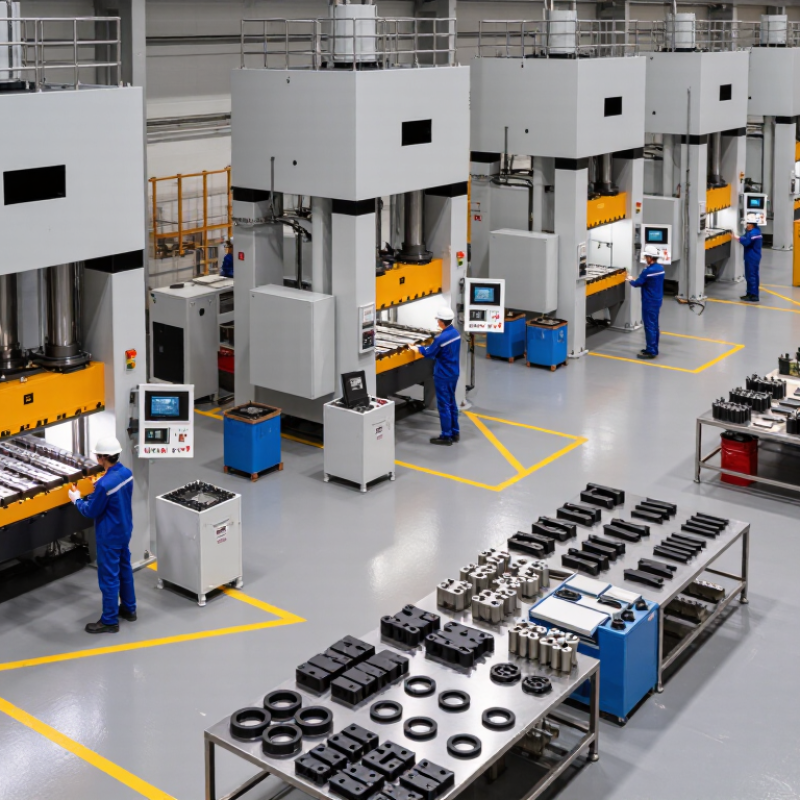
What Compression Moulding Parts Manufacturers Produce
Compression moulding parts manufacturers produce durable components by placing measured material into heated moulds. Pressure and temperature then shape the material while it cures.
Common products include rubber seals, gaskets, O-rings, diaphragms, vibration mounts, bushings, cable covers, and protective caps. Manufacturers also produce composite panels, electrical insulation parts, heat-resistant handles, and structural housings. These components serve automotive, electrical, medical equipment, construction, and industrial applications.
Experienced manufacturers adjust mould design, curing time, material hardness, and compression pressure for each part. They inspect dimensions, surface finish, flash, hardness, and tensile performance. A small mismatch around a sealing edge can cause leakage later. Not every part leaves the mould perfectly. Material flow may create thin flash or slight warping, so process records and sampling remain important. I have found that clear drawings help, but real production feedback often reveals hidden weaknesses.
Tips: Confirm the material grade, working temperature, part tolerance, and expected service life. Ask for sample measurements and test reports. Check how the manufacturer controls mould wear and batch consistency. A low price may hide costly trimming or rework. The best choice is not always the supplier with the largest factory. Reliable communication and repeatable inspection often matter more.
What Compression Moulding Parts Manufacturers Produce
Typical wall-thickness ranges for common compression-moulded part families. These indicative engineering ranges cover thermoset, rubber and fibre-reinforced composite components; the final specification depends on material, geometry and performance requirements.
Compression moulding is commonly used for electrical insulation parts, automotive components, appliance housings, protective products, industrial components and composite panels where strength, heat resistance and dimensional stability are important.
How to Evaluate Compression Moulding Parts Manufacturers
How to Evaluate Compression Moulding Parts Manufacturers
Evaluating compression moulding parts manufacturers requires more than comparing unit prices. Examine their practical experience with rubber, thermoset, or composite components. Ask for examples involving similar dimensions, materials, and production volumes. A capable manufacturer should explain mould design, curing controls, and common defect risks clearly.
Request sample parts before approving production. Inspect flash, surface finish, hardness, shrinkage, and dimensional consistency. Use drawings with measurable tolerances, not vague descriptions. Review the manufacturer’s inspection equipment and calibration records. Traceability matters. Material batches, mould settings, and inspection results should remain accessible. Quality certifications can help, but they do not replace process evidence.
Visit the facility if possible. Watch how operators handle mould cleaning, material storage, and first-piece approval. Ask about maintenance schedules and response times during tooling failures. Reliable communication is practical evidence of professionalism. I would also compare pilot-run data with promised capacity. Some suppliers present impressive machines, yet struggle with stable output. That gap deserves attention. A perfect evaluation is unlikely. Recheck assumptions after real samples, because early confidence can be misleading.
Top Ten Compression Moulding Parts Manufacturers Compared
Top Ten Compression Moulding Parts Manufacturers Compared
Choosing among ten compression moulding parts manufacturers requires more than comparing quoted prices. Practical reviews examine material control, tooling skill, production capacity, and inspection discipline. A reliable manufacturer should explain how compound batches are tracked from storage to shipment. That detail often separates a stable supplier from a promising one.
The strongest candidates usually support silicone, rubber, or thermoset components with clear process records. They measure mould temperature, pressure, curing time, and dimensional variation. Ask for sample reports, first-article data, and evidence of lot traceability. Factory experience matters here. A supplier producing seals may not handle thick structural parts equally well. Some manufacturers also offer tool maintenance, trimming, surface treatment, and secondary assembly. These services can reduce handling between production stages.
No ranking is absolute. A lower-cost option may provide excellent parts but weaker engineering communication. Another may have advanced equipment yet struggle with urgent design changes. Compare response speed, nonconformance handling, and the accuracy of technical drawings. On-site audits remain useful, although they cannot reveal every production weakness. I would check cavity wear, operator training, and rejected-part storage during a visit. Do not overlook packaging. Deformed edges can appear after a perfect moulding cycle. The best choice is the manufacturer that matches your material, tolerance, volume, and risk requirements.
Industries and Applications Served by Leading Manufacturers
Leading compression moulding manufacturers serve industries where strength, repeatability, and controlled cost matter. Their parts appear in automotive under-hood systems, electrical enclosures, appliance panels, and industrial equipment. They process thermoset compounds, reinforced plastics, and rubber materials into shapes that tolerate heat, vibration, or chemical exposure. In a factory, an engineer may inspect a ribbed housing, check flash around its edge, and compare dimensional records from several production lots. This practical verification matters more than a polished catalogue claim. It reveals whether a supplier can maintain stable pressure, cure time, and mould temperature at volume. Small details matter.
In transportation, moulded components can support battery covers, air-management parts, brackets, and interior structures, provided the material matches impact and temperature requirements. Renewable energy equipment uses them for protective housings, insulators, and durable cable-management parts. Medical and laboratory equipment may require clean surfaces, consistent dimensions, and documented process controls. Construction suppliers often need panels, connectors, and corrosion-resistant fittings for demanding sites. Leading manufacturers also support custom tooling, prototype runs, and design-for-manufacture reviews before full production. That service can prevent a costly redesign, although it is not always perfect. A narrow tolerance may still drift after long curing cycles, especially when material batches change. Experienced teams record these deviations and adjust the process instead of hiding them. Buyers should ask for test data, inspection methods, and evidence from comparable applications. Claims need evidence.
Key Factors for Selecting the Right Manufacturing Partner
10 Best Compression Moulding Parts Manufacturers?
Key Factors for Selecting the Right Manufacturing Partner
Choosing a compression moulding partner requires more than comparing hourly rates. MarketsandMarkets’ 2023 Compression Molding Market report forecasts approximately 5% annual growth through 2028. That growth increases pressure on capacity, tooling, and quality control. Ask manufacturers to show production evidence, not only polished samples. Check cavity-to-cavity weight variation, flash limits, cure curves, and dimensional Cpk results. Small details matter.
Inspect their material controls closely. Reliable suppliers record compound batches, storage humidity, mold temperatures, and press pressure. For automotive work, request IATF 16949 capability and PPAP experience. For other industries, ISO 9001 systems still provide a useful baseline. The ISO Survey 2023 reports more than 1.26 million ISO 9001 certificates worldwide, but certification alone proves little about actual moulding skill. Audit the shop floor. Review calibration records and nonconformance reports.
Tooling support often separates strong partners from average ones. Ask how they manage insert alignment, mold wear, vent cleaning, and replacement lead times. A first article should include measurable inspection data. Not vague promises. A practical supplier scorecard should weigh quality, delivery, engineering response, and total cost. My earlier mistake was giving price too much weight; cheaper parts can create expensive rework. Sustainability also deserves evidence. PlasticsEurope reported 58.8 million tonnes of plastics production in Europe during 2022, highlighting the scale of material use. Request scrap rates, recycled-content controls, and energy data before making claims.