Top 10 Ti-6Al-4V Grade 5 Titanium Bar Suppliers Worldwide
Selecting a supplier for Ti-6Al-4V (Grade 5) Titanium Bar takes more than comparing prices. Buyers need material that meets the required chemistry, dimensions, and mechanical properties. A bar intended for machining may need different tolerances or surface condition from stock destined for further processing. Small details matter.
This guide introduces ten suppliers with international reach and considers practical factors such as product range, quality documentation, traceability, and export experience. Check mill test certificates, heat or lot identification, and stated inspection methods against your project requirements. Ask about available diameters, cut lengths, minimum order quantities, and realistic lead times. These details can affect production schedules as much as the alloy itself.
Names on a list are only a starting point. Supplier capabilities, inventory, and service can change, and a strong reputation does not replace document review. Request current specifications and clarify applicable standards before placing an order. Where requirements are critical, confirm them with your engineering or quality team. One caveat: public information may not reveal every limitation, and supplier claims should be checked directly. That extra step can feel slow. It is often worthwhile.
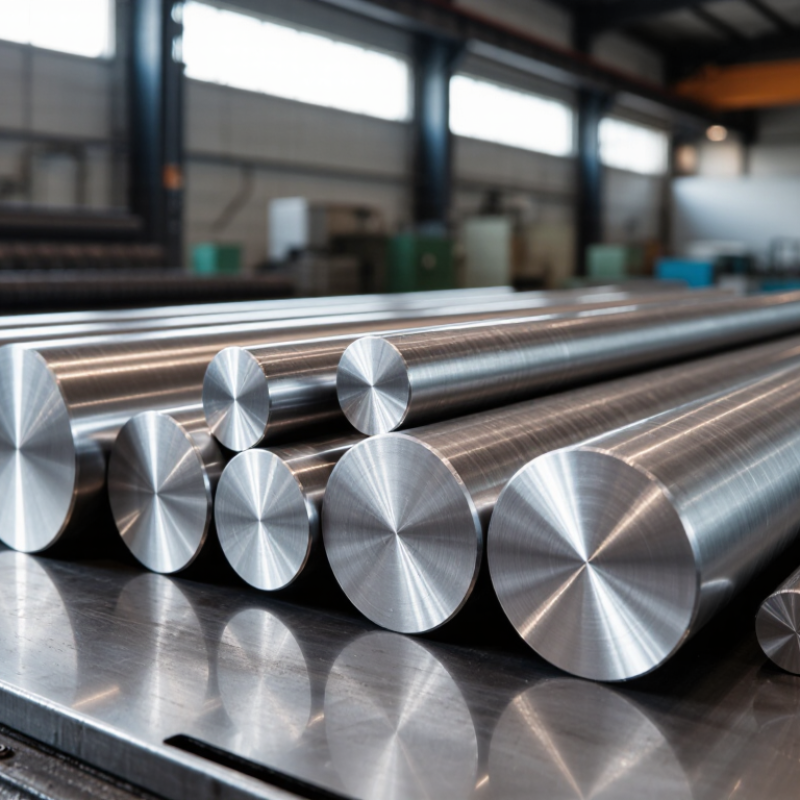
Ti-6Al-4V Grade 5 Titanium Bar: Composition, Properties, and Uses
Ti-6Al-4V Grade 5 is a widely used titanium alloy containing about 6% aluminum and 4% vanadium, with titanium making up the balance. Aluminum and vanadium help strengthen its two-phase alpha-beta structure. The result is a strong, relatively lightweight bar with useful corrosion resistance. It can perform well in demanding environments, but it is not immune to damage or poor processing. Small details matter. Heat treatment, surface condition, and machining practice can affect the finished part.
Tips: Check the material certificate for chemistry, mechanical properties, and applicable specifications. Match the bar’s dimensions and condition to your machining plan. Titanium can conduct heat poorly, so cutting tools and feeds need careful attention. Ask how straightness and surface finish are measured.
These bars are used for aircraft components, industrial equipment, marine hardware, and selected medical-device applications. Their strength-to-weight ratio can be valuable where reducing mass matters. For implant-related work, confirm that the exact grade and condition meet the project’s requirements; Grade 5 and extra-low-interstitial variants are not interchangeable by assumption. Not every bar is identical. Comparing test documentation is worthwhile, though paperwork alone cannot replace incoming inspection. A quick visual check may miss internal or dimensional issues.
How to Evaluate Worldwide Titanium Bar Suppliers
Evaluating worldwide suppliers of Ti-6Al-4V Grade 5 titanium bars starts with evidence, not polished product pages. Ask for a material test report linked to the bar’s heat number, with chemical composition and mechanical properties recorded. Check that the documents match the requested specification and delivery condition. A certificate without traceability is a weak signal.
Look closely at the product itself. Confirm diameter tolerance, straightness, surface condition, and available cut lengths. For critical applications, ask how samples are tested and whether inspection records can be reviewed. Small details matter: a clean, legible heat number on each bundle can prevent costly mix-ups.
It sounds basic. It is.
Compare production capacity with the order you actually need. A supplier may offer many sizes but hold little stock, so request realistic lead times and packaging details. Bars should arrive protected from moisture, impact, and handling damage. Ask how shipping documents and delivery updates are managed across borders. Clear answers build confidence; vague promises do not. Still, no checklist removes every risk. An independent inspection may be worthwhile, especially for a first order. A low price can look attractive, but I would pause if inspection access or traceability is treated as an inconvenience.
Top 10 Ti-6Al-4V Grade 5 Titanium Bar Suppliers Worldwide
Top 10 Ti-6Al-4V Grade 5 Titanium Bar Suppliers Worldwide
Comparing leading suppliers worldwide takes more than checking price and delivery dates. Buyers should assess alloy consistency, available bar dimensions, machining condition, and documentation. ASTM B348 specifies requirements for titanium and titanium-alloy bars and billets. Ask for traceable test certificates that confirm chemistry and mechanical properties for each production lot. Consistency matters. A supplier ranking can still mislead: large capacity does not guarantee dependable stock or clear quality records.
The USGS Mineral Commodity Summaries 2024 estimated global titanium sponge production at about 310,000 metric tons in 2023, with China producing the largest share. This is upstream sponge output, not finished-bar capacity. Still, it highlights why buyers should examine supply-chain transparency and realistic lead times. For Grade 5 bars, compare quoted tolerances, inspection methods, and packaging alongside price. A useful review also checks whether the supplier can provide the required size range without substituting material conditions.
Tips: Request a recent, lot-specific mill test report and verify its heat number against the bar markings. Confirm dimensions and delivery condition in writing. If a quote looks unusually attractive, ask what inspection or documentation it excludes. It is easy to overlook this detail.
Supplier Comparison: Certifications, Product Range, and Services
A useful comparison of Ti-6Al-4V Grade 5 bar suppliers starts with documents, not catalog claims. Check whether each shipment includes a material test report, heat number, and traceable link between the bar and its records. Confirm that the supplier’s quality certification is current and covers the relevant activities. Details matter. A certificate alone does not prove that every order has the right documentation.
Product range can shape both lead time and production waste. Compare available diameters, lengths, surface conditions, and material conditions, such as annealed stock. Ask whether bars can be cut to specified lengths and whether dimensional checks are documented. Ask for evidence. A broad catalog may still have limited stock in the size your project needs, so request availability for the actual dimensions.
Services deserve the same scrutiny as specifications. Useful support may include technical document review, export packaging, order updates, and help resolving nonconformities. Ask how the supplier handles a mismatch between a purchase order and a test report. Response quality is hard to judge from a website alone. A small trial order can reveal gaps in communication or paperwork, though it cannot predict every future delivery. Compare suppliers using the same checklist, and verify certificates and records before placing critical orders.
How to Select a Supplier for Your Application
Selecting a Ti-6Al-4V Grade 5 bar supplier starts with the part, not the catalog. For a fatigue-loaded aerospace fitting, request lot-specific chemistry, tensile results, heat-treatment condition, and traceability from mill to cut piece. ASTM B348 covers titanium and titanium-alloy bars and billets. Confirm the ordered grade and dimensions meet the applicable specification, then check any additional customer requirements separately. The USGS Mineral Commodity Summaries 2024 estimated global titanium-mineral-concentrate production at about 9 million metric tons in 2023. That upstream figure indicates scale, not bar quality or traceability. Do not confuse them.
Match testing to the application’s risk. For a thin-walled machined component, review ultrasonic inspection coverage, straightness, surface condition, and machining allowance before comparing prices. Request sample certificates and check heat numbers against the bar tags. For corrosive service, confirm the environment and alloy condition; Grade 5 is not a universal corrosion solution. ASTM B348 compliance alone may not define fatigue life, cleanliness, or acceptance limits, so state these in the purchase specification. A cheaper quote still tempts. Pause if a supplier cannot explain deviations, retesting, or replacement terms clearly. Small paperwork gaps can become costly scrap.