What is a Wiped Film Evaporator and How Does It Work?
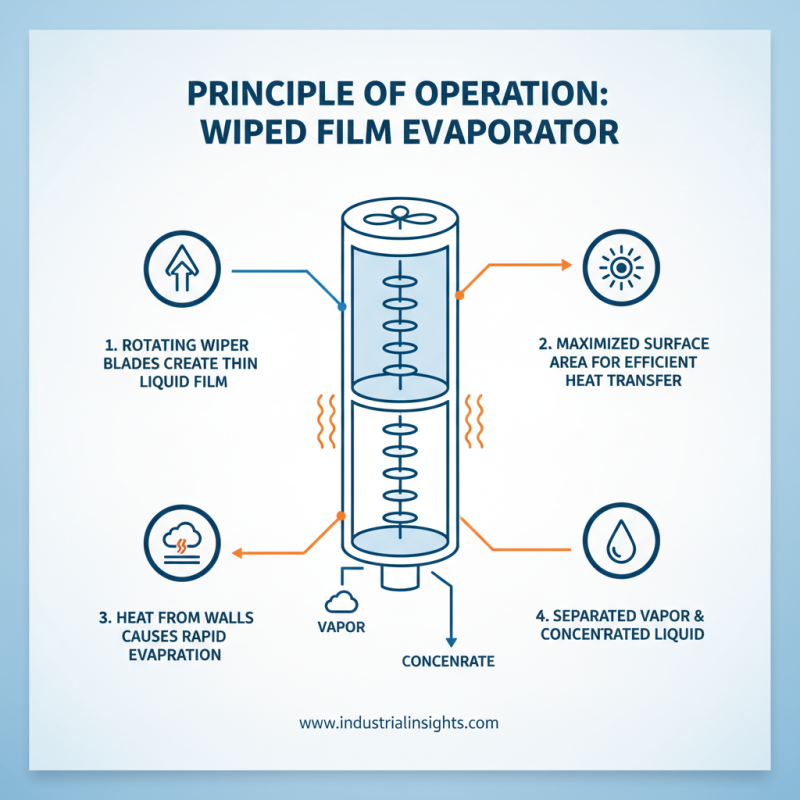
A wiped film evaporator is a vital tool in various industrial applications. Its primary function is to efficiently separate components of mixtures. This equipment operates by using a thin film of liquid. The film is formed on a heated surface, allowing for maximum heat transfer.
In the wiped film evaporator, liquid is continuously wiped off the heated surface. This process increases evaporation rates, enhancing product yield. The equipment is often used in the food, chemical, and pharmaceutical industries. Users appreciate its ability to handle heat-sensitive materials, which can be a challenge with traditional evaporators.
Despite its advantages, there are challenges. Maintenance can be demanding, and operational parameters must be monitored closely. This complexity may lead to inefficiencies if not managed properly. Understanding the wiped film evaporator is essential for optimizing its use in industrial applications.
What is a Wiped Film Evaporator?
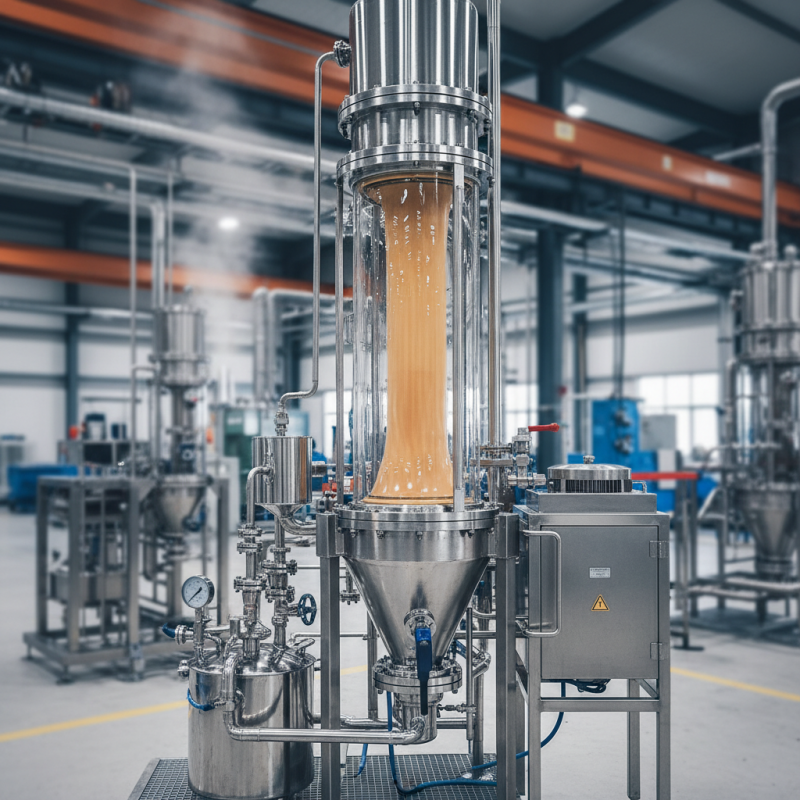
A wiped film evaporator is a specialized device used for separating volatile components from liquids. It operates through thin film evaporation, creating a uniform film of liquid on a heated surface. This design allows for efficient mass and heat transfer. It is commonly utilized in various industries such as food processing, pharmacological manufacturing, and petrochemical refining.
In essence, the wiped film evaporator works by employing a rotating scraper to keep the film thin and uniform. This increases the surface area for evaporation. Research indicates that using this technology can enhance evaporation rates by up to 20% compared to traditional methods.
Tips: Maintain consistent heating for optimal performance. Regularly inspect the scraper blades for wear. This component is crucial for effective operation.
While this device is highly efficient, it still has its flaws. For instance, temperature control is critical. Too high a temperature can degrade sensitive compounds. Additionally, not all materials are suitable for wiped film processing. It requires careful consideration and experimentation. Thus, users must remain vigilant and adapt their approach based on specific applications.
Key Components of a Wiped Film Evaporator
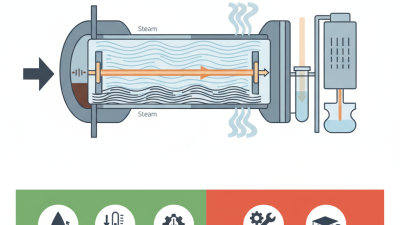
A wiped film evaporator is a critical tool in the separation processes. Its effectiveness stems from several key components that work together. The primary part is the evaporator chamber. Inside, a rotor spins at high speeds. This action creates a thin film of liquid on the walls, which allows for efficient heat transfer.
Another essential component is the heating jacket. This jacket surrounds the evaporator chamber and maintains a consistent temperature. Proper heating is vital for effective evaporation. Additionally, the feed system introduces the liquid mixture into the chamber. The design of this system affects how well the liquid spreads out.
The condenser is key in capturing the vaporized components. It helps in cooling and converting vapor back to liquid. This closed-loop system helps maintain material integrity. However, achieving optimal conditions can be challenging.
Sometimes, the film may not spread evenly, leading to inefficient evaporation. Regular monitoring and adjustments are necessary to overcome these issues.
Applications of Wiped Film Evaporators in Industry
Wiped film evaporators play a vital role in various industries. They are especially useful for concentrating, separating, or purifying liquids. These devices are known for their efficiency and ability to handle heat-sensitive materials.
For instance, in the food industry, they are employed to concentrate fruit juices while preserving flavors. This technology helps maintain the integrity of the product.
In the pharmaceutical sector, wiped film evaporators are used for the extraction of essential oils and active ingredients. The process helps in achieving high purity and concentration levels. However, it's important to remember that this technology can be sensitive. If not calibrated properly, it might lead to product degradation.
Adjusting parameters can require some trial and error.
Tips: Always monitor the temperature closely. This will ensure that heat-sensitive materials do not burn. Regular maintenance is essential too. Cleaning the evaporator can prevent unwanted residues from affecting your product. Every industry has its nuances, so being adaptable is crucial for success.
Balancing efficiency and quality often requires a reflective approach.
Advantages of Using Wiped Film Evaporators
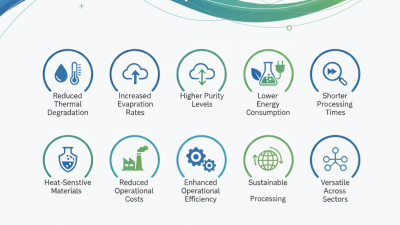
Wiped film evaporators offer several advantages in various industrial applications. One key benefit is their ability to handle heat-sensitive materials. This technology minimizes thermal degradation, keeping product quality high. With a thin film created by a wiper blade, the liquid moves quickly, maximizing heat transfer efficiency. The evaporator operates in a vacuum, which helps reduce boiling points. This is essential for preserving the integrity of delicate compounds.
Another significant advantage lies in their continuous operation mode. Wiped film evaporators allow for consistent feed rates, leading to streamlined processes. This feature reduces downtime and enhances productivity. Operators often find that maintenance is simpler too, since the design minimizes fouling and buildup. However, caution is needed; improper setup can lead to inefficient evaporation and wasted resources.
Wiped film evaporators also excel in producing high-purity extracts. This is particularly important in sectors like food and pharmaceuticals. The technology's precision ensures minimal contaminants in the final product. Careful calibration is required for optimal results. A minor error can result in subpar quality. Attention to detail in operational parameters is crucial for achieving the best outcomes.
What is a Wiped Film Evaporator and How Does It Work? - Advantages of Using Wiped Film Evaporators
| Specification |
Description |
| Operating Principle |
Uses a thin film of liquid under vacuum to enhance evaporation. |
| Key Features |
Continuous processing, efficient heat transfer, and minimal residence time. |
| Advantages |
High yield, purity of distillate, suitable for heat-sensitive materials. |
| Applications |
Used in food, pharmaceuticals, and essential oils industries. |
| Maintenance Requirements |
Regular cleaning and inspection to ensure optimal operation. |